Stone Walling
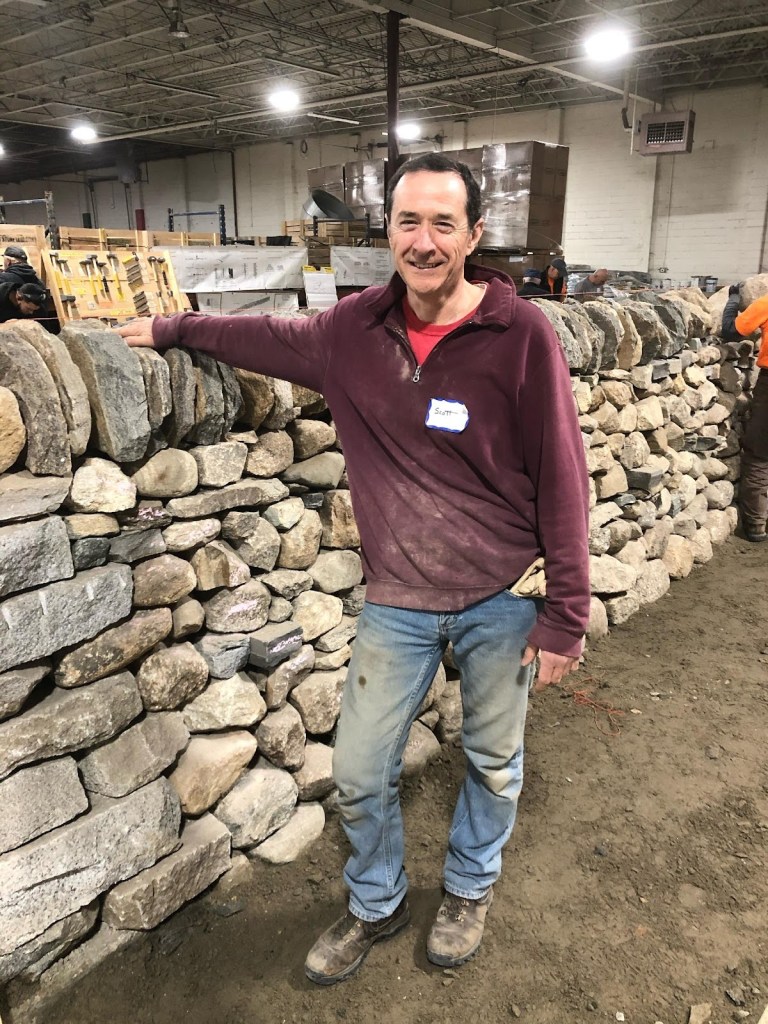
The date was December 19, 2019. On a whim, I took a class on dry-stone walling sponsored by The Stone Trust.
Twenty participants arrived to a large, cold building in Littleton, Massachusetts, and we were told to take apart and then rebuild a 50-foot stone wall. That was the class. Well, eight hours later, the task was complete, and while I was tired and quite dirty, I also had a newfound fascination with this ancient craft.
Over the last six years, I’ve dabbled in the craft, building a dry-stack wall in front of my home, and taking another course from The Stone Trust on splitting stones. I’ve also spent a reasonable amount of money on the tools needed to ply the trade (though my wife might tell you otherwise). Now, I’m finally ready to jump into a real stone wall project.
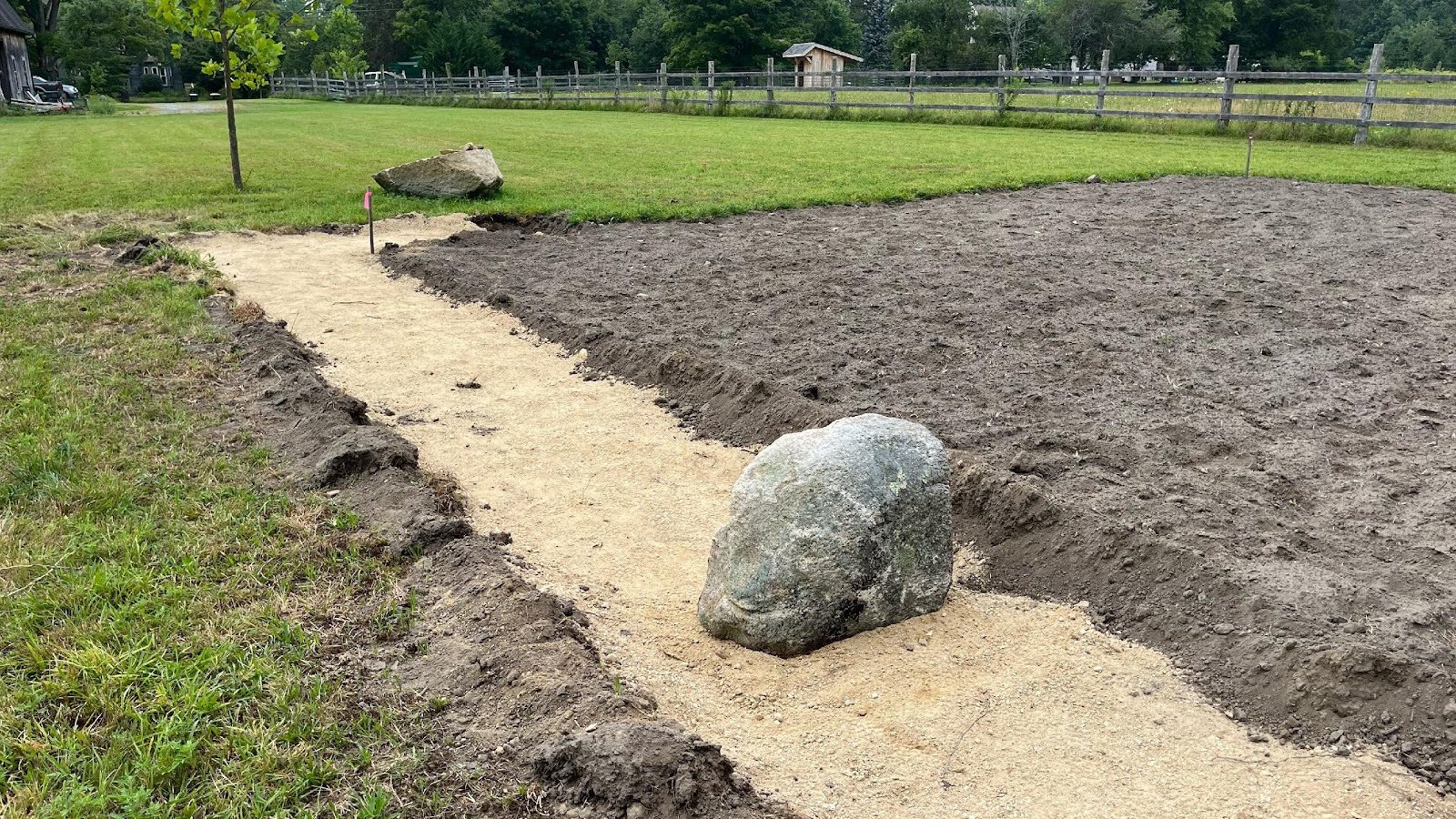
Crazy as it sounds, my first walling project will be to build a cemetery on the farm. Back in the day, all New England farms had a plot of land set aside for burying family. The best stones from the farm’s fields were saved and used for the walls, and it was simply an accepted element of rural farm life.
Today, it’s not legal to bury a human body on private land, but there’s nothing stopping me from building a rectangular stone wall around a plot of land and calling it cemetery.
So that’s what I plan to do!
My Latest Posts
- The Last Family Cemetery
 At a meeting in March 2026, the Burrillville Town Council passed a revision to the town’s code or ordinances regarding cemeteries. The new language is succinct and clear: “No cemetery or place of burial shall be established in the town on private property.” But it doesn’t go into effect until July — meaning there’s still time to create the last family cemetery in Burrillville.

